

Introduction
Frozen embryo transfer (FET) is a fertility treatment in which an embryo that was created and frozen in an earlier IVF cycle is thawed and placed in the uterus in a later cycle. It avoids repeating ovarian stimulation and egg collection, and is now a routine part of many IVF treatment plans.
This page explains in plain language what FET involves, who may consider it, how a cycle works and what its benefits, limits and risks are. It is general information and does not replace advice from your doctor.
What Is Frozen Embryo Transfer?
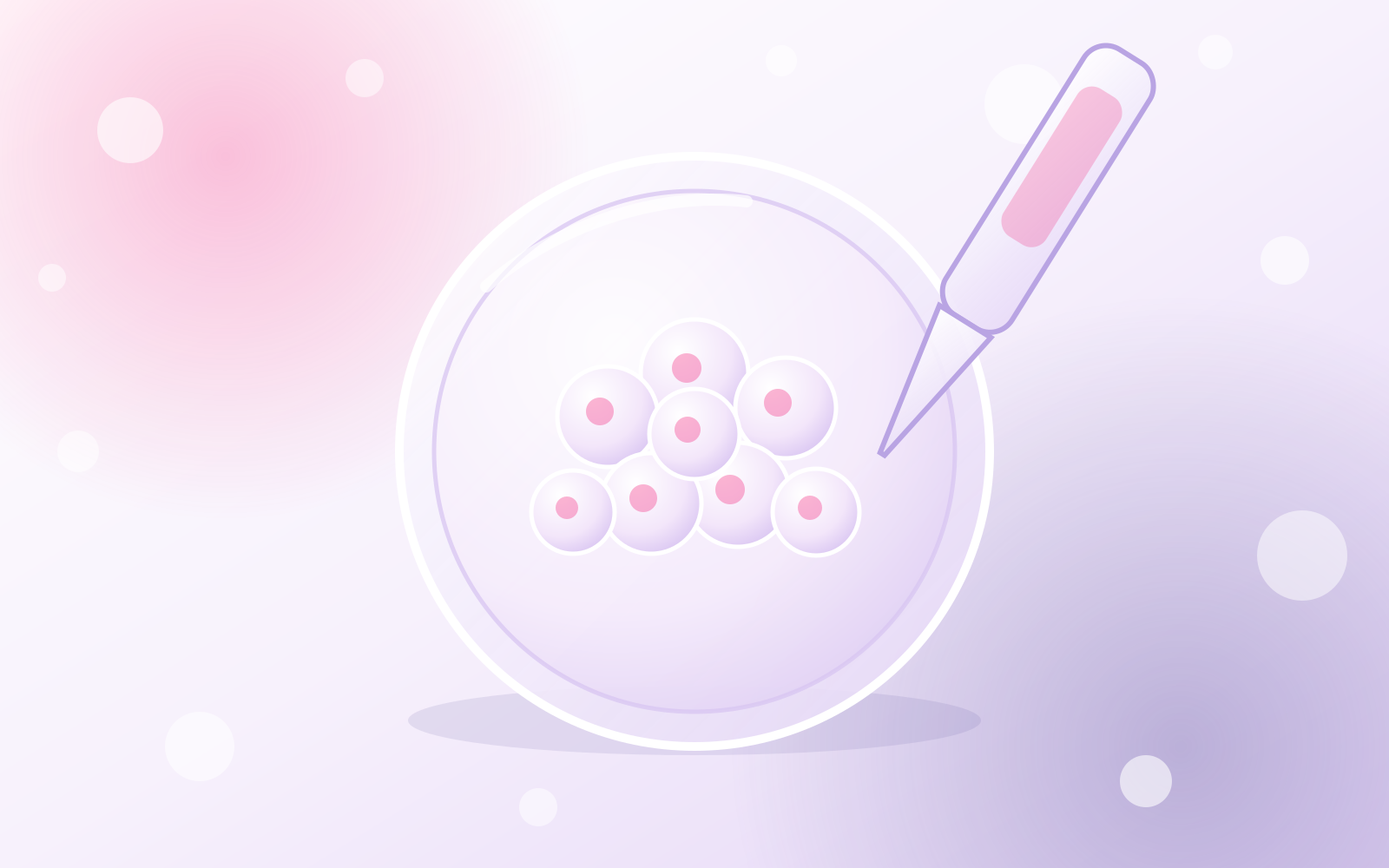
During an IVF cycle, eggs are fertilised in the laboratory and the embryos are grown for several days. Embryos that are not transferred immediately can be frozen using vitrification, a very fast freezing method, and stored in liquid nitrogen. In an FET cycle, a frozen embryo is warmed, checked and transferred into a uterus that has been prepared to receive it.
Who May Consider FET?
- People who had extra good-quality embryos frozen after a fresh IVF cycle
- Cycles where all embryos are frozen on purpose, for example to lower the risk of ovarian hyperstimulation, or when the uterine lining is not ready
- Those who are waiting for the results of embryo genetic testing (see Genetic Screening)
- People who want to try for another pregnancy without a new stimulation cycle
- Anyone who has banked embryos for the future (see Embryo Banking)
When Is FET Recommended?
Your doctor will suggest FET when you have suitable frozen embryos and your uterus can be prepared well. The decision depends on embryo quality, your age when the embryos were created, your hormone levels, previous transfers and your personal plans. Sometimes FET is planned from the start, and at other times it is chosen after a fresh transfer did not lead to pregnancy.
How Does FET Work?
- Assessment and plan. Your doctor reviews the stored embryos and chooses the type of cycle that suits you.
- Preparing the uterine lining. This is done either with oestrogen and progesterone medicines, or by following your natural cycle with scans and blood tests.
- Checking the lining. An ultrasound scan confirms that the lining is ready, and the transfer date is set.
- Thawing the embryo. On the day of transfer, the embryologist warms the chosen embryo and checks that it has survived.
- Embryo transfer. A thin catheter, guided by ultrasound, places the embryo in the uterus. It is usually quick and does not need anaesthesia.
- Support and pregnancy test. Progesterone is usually continued, and a pregnancy test is done about two weeks later.
Preparation and Consultation
Before an FET cycle, you can use your consultation to talk about:
- The number and quality of your stored embryos
- How many embryos to transfer, balancing the chance of pregnancy against the risk of a multiple pregnancy
- Which type of cycle is suggested for you and why
- The medicines you will take and their side effects
- Costs, including embryo storage fees and renewal of consent
Healthy habits such as not smoking, limiting alcohol and keeping a healthy weight can support the process.
Benefits and Limitations
Possible benefits
- No new ovarian stimulation or egg collection is needed
- The uterus can be prepared separately from the embryo, which gives flexibility
- Useful when a fresh transfer is not advisable
- Allows genetic test results to be available before transfer
Limitations
- FET does not guarantee pregnancy, and some people need more than one transfer
- Not every embryo survives thawing, although most vitrified embryos do
- It needs medicines and monitoring, and sometimes several visits
- Outcomes depend strongly on embryo quality and the age of the egg source
Risks and Considerations
- Medicine side effects such as bloating, headaches, mood changes and mild discomfort
- Multiple pregnancy if more than one embryo is transferred
- Ectopic pregnancy and miscarriage, which can occur in any pregnancy
- Studies suggest some differences in certain pregnancy risks between frozen and fresh transfers, and between FET protocols, so ask your doctor about your own situation
- The emotional strain of waiting for results
Factors That Affect FET Outcomes
- The quality of the embryo and the age of the person whose eggs were used
- Whether the embryo was tested for chromosome numbers
- The health and receptivity of the uterine lining
- Uterine conditions such as fibroids, polyps or scarring
- The preparation protocol and the quality of the laboratory
Your doctor can explain how these apply to you. No clinic can promise a particular result.
Frequently Asked Questions About FET
Is a frozen embryo transfer painful?
Most people find it comfortable, similar to a routine pelvic examination. The medicines can cause some side effects, which your doctor will explain.
How long does an FET cycle take?
Preparing the lining usually takes a couple of weeks, followed by the transfer and a pregnancy test about two weeks later. Your doctor will give you a schedule.
Do all embryos survive thawing?
Most vitrified embryos survive, but not all. The embryologist checks each embryo after warming and will tell you if there is a problem.
Are frozen embryos as good as fresh ones?
Freezing, when done well, does not make a good embryo worse, and FET is often used successfully. Your doctor can explain which approach suits your situation.
Can I do an FET in a natural cycle?
Sometimes. A natural or modified natural cycle suits people who ovulate regularly. Others need medicines to prepare the lining.
How many embryos will be transferred?
This depends on embryo quality, your age and previous results. Your doctor will discuss the balance between chance of pregnancy and the risk of twins.
Why Choose Santana Fertility Centre?
A frozen embryo transfer is a precious step. At Santana Fertility Centre in Sindhanur, Karnataka, we explain your stored embryos and options in plain language, choose the cycle that fits you and are honest about what to expect.
- Personal planning for your transfer
- Clear information on medicines, monitoring and costs
- Honest guidance about number of embryos and expected results
- Support through counselling if you want it
- Care close to home in Sindhanur
You can also read about IVF, Embryo Banking and Genetic Screening, or contact us with questions.
Book a Consultation
Would you like to discuss your stored embryos or plan a transfer? Share a few details and our team will contact you to arrange a consultation.
This page offers general information and is not a substitute for medical advice. Please speak with a qualified fertility specialist about your own situation.