

Introduction
Female infertility refers to difficulty conceiving that is related to the woman’s health, such as ovulation, the fallopian tubes, the uterus or hormones. It can feel isolating, but there are many possible causes, and a careful assessment often points to a clear next step.
This page explains in plain language what female infertility is, what may cause it, how it is assessed and what treatment options exist. It is general information and not a substitute for advice from your doctor.
What Is Female Infertility?
Conception depends on a series of steps: an egg must be released (ovulation), meet sperm in a healthy fallopian tube, fertilise, and the embryo must implant in a healthy uterus. A problem at any step can make conception harder. Female infertility is the term used when one or more of these steps is affected, or when age-related changes in egg quantity and quality play a role.
Common Causes and Contributing Factors
- Ovulation disorders, including PCOS, thyroid problems and raised prolactin
- Reduced ovarian reserve, often related to age
- Blocked or damaged fallopian tubes, for example after infection or surgery
- Endometriosis, where tissue similar to the womb lining grows outside the uterus
- Uterine factors such as fibroids, polyps, scarring or a uterine septum
- Cervical factors that affect the passage of sperm
- Long-term medical conditions and some medicines
- Body weight, smoking, heavy alcohol use and high stress
- Unexplained infertility, where tests do not show a clear cause
When Should You See a Doctor?
See a fertility specialist if you have been trying for a year without success, or for six months if you are 35 or older. Seek advice sooner if your periods are irregular or absent, you have severe period pain or pelvic pain, you have had pelvic infections or surgery, or you have had more than one pregnancy loss.
How Is Female Infertility Assessed?
- History and examination. Your doctor asks about your cycles, health history and any earlier pregnancies.
- Ovulation assessment. This may include tracking cycles, hormone blood tests and ultrasound scans.
- Ovarian reserve tests. An AMH blood test and an ultrasound count of antral follicles give a guide to your egg supply.
- Tubal assessment. A test such as HSG or a saline ultrasound checks that the fallopian tubes are open.
- Uterine assessment. A pelvic ultrasound, and sometimes hysteroscopy, looks for fibroids, polyps or scarring.
- Other tests. Thyroid and other hormone tests are added when needed, and your partner has a semen analysis.
Treatment Options
- Medicines to support ovulation, and treatment of thyroid or other hormone problems
- Management of PCOS, including lifestyle support
- Surgery for fibroids, polyps, scarring or endometriosis when it is likely to help
- IUI in suitable situations
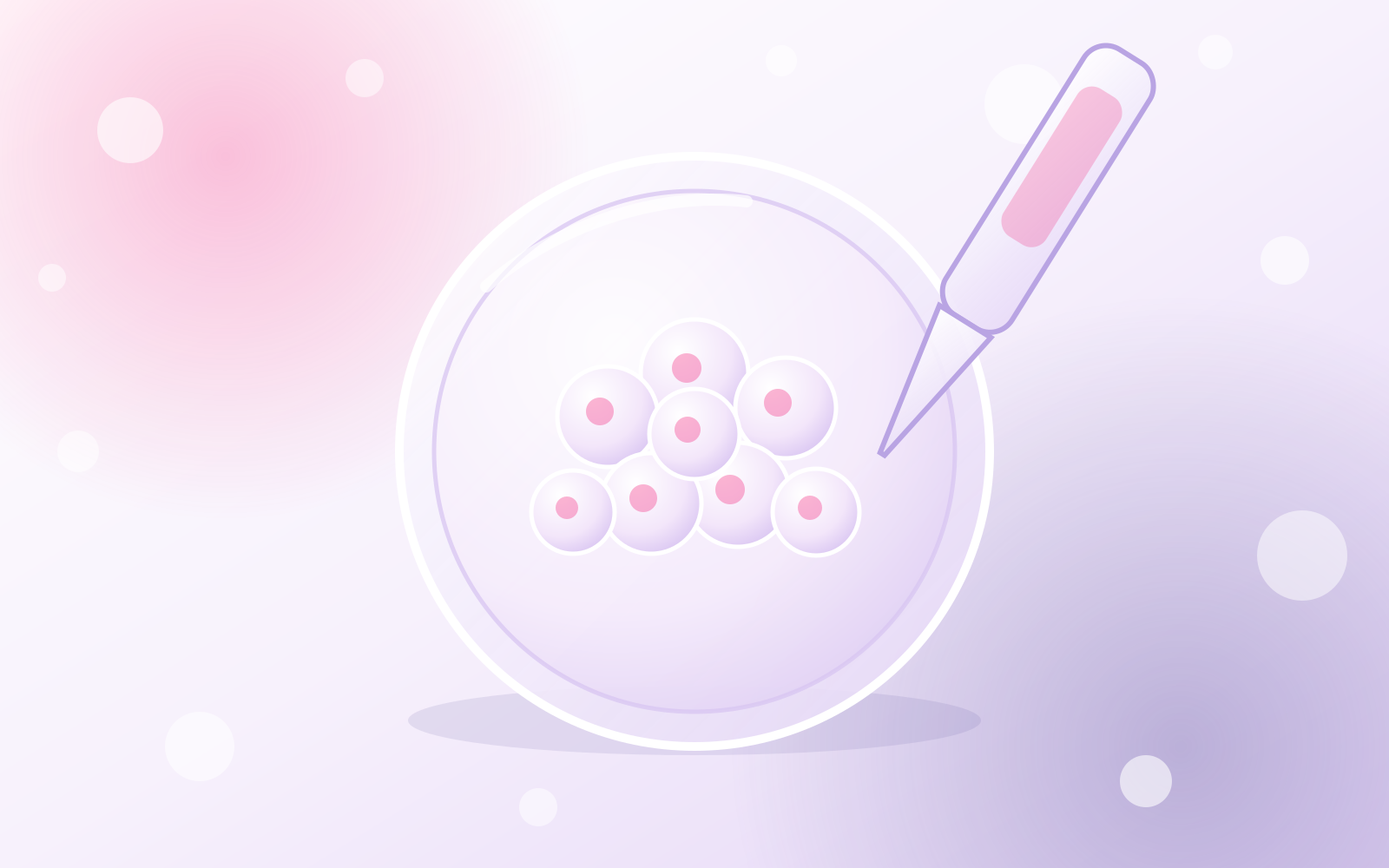
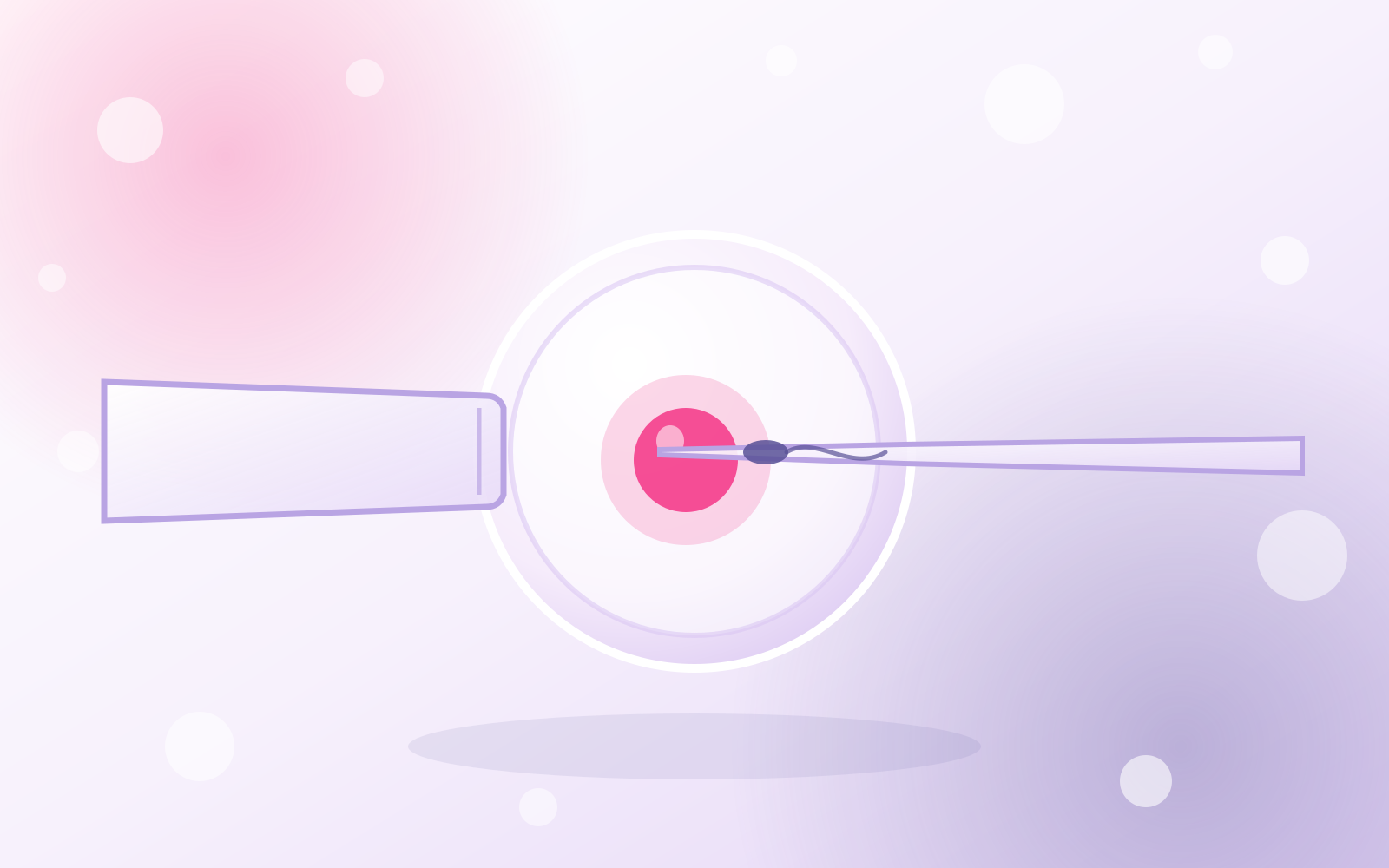
- IVF, including when the tubes are blocked or other treatments have not worked
- Egg freezing for those who want to plan ahead
- Emotional support through counselling
Your doctor will explain which options fit your test results, age and goals, and in what order they are usually tried.
Preparation and Consultation
Bring a record of your cycle dates, any earlier scans and test reports, and a list of your medicines. Useful topics to discuss include:
- What your tests show about ovulation, tubes and uterus
- How your age and ovarian reserve affect your options and timing
- Which treatments are suitable, and the likely time and costs
- Whether lifestyle changes could help
- How to look after your wellbeing during treatment
Benefits and Limitations of Assessment and Treatment
Possible benefits
- Many causes can be identified, and several are treatable
- A clear plan replaces uncertainty
- A range of options exists, from medicines to assisted reproduction
Limitations
- Some causes, especially age-related changes, cannot be reversed
- Treatment may take several cycles, and results are not guaranteed
- Some conditions, such as endometriosis, can return or need ongoing care
Risks and Considerations
- Medicines can cause side effects such as bloating, mood changes and headaches
- Ovulation-stimulating medicines can lead to a multiple pregnancy, and monitoring reduces this risk
- Ovarian hyperstimulation can occur with stronger stimulation, as in IVF
- Surgery and tests such as HSG carry small risks that your doctor will explain
- The emotional strain of investigations and treatment is real, and support is available
Factors That Affect Outcomes
- The woman’s age and ovarian reserve
- The cause and duration of infertility
- The health of the tubes and uterus
- Body weight, smoking and overall health
- The male partner’s sperm quality
These factors help your doctor discuss what is realistic. No clinic can promise a particular outcome.
Frequently Asked Questions About Female Infertility
What are the first signs of a fertility problem in women?
Irregular or absent periods, very painful periods, a history of pelvic infection or surgery, and not conceiving after a year of trying are common reasons to seek advice.
Does PCOS mean I cannot get pregnant?
No. PCOS can make ovulation irregular, but many women conceive with lifestyle changes or medicines to support ovulation. Your doctor will guide you.
How does age affect female fertility?
Egg quantity and quality decline with age, most noticeably after the mid-thirties, which is why an earlier assessment can help.
Are the tests painful?
Most tests, such as blood tests and ultrasound, are well tolerated. An HSG can cause cramping. Your care team will explain what to expect for each test.
Is infertility always the woman's problem?
No. Male factors, female factors, both, or no clear cause can be involved, so both partners are usually assessed.
Can stress cause infertility?
Stress can affect wellbeing and cycles, but everyday stress is not a proven cause of infertility. If you feel overwhelmed, counselling can help.
Why Choose Santana Fertility Centre?
Every woman’s fertility story is different. At Santana Fertility Centre in Sindhanur, Karnataka, we begin with listening, review your history and tests carefully, and explain your options clearly so you can make decisions without pressure.
- Unhurried, personal consultations
- A clear explanation of each test and what it shows
- Honest guidance about timing and options
- Supportive counselling if you want it
- Care close to home in Sindhanur
You can also read about Fertility Testing, IUI and IVF, or contact us with any questions.
Book a Consultation
Would you like to talk through your symptoms, tests or next steps? Share a few details and our team will contact you to arrange a consultation.
This page offers general information and is not a substitute for medical advice. Please speak with a qualified fertility specialist about your own situation.