

Introduction
Embryo banking, also called embryo cryopreservation, means freezing and storing embryos created through IVF so that they can be used in a future treatment cycle. It can offer flexibility and a way to protect fertility options when treatment has to happen in stages.
This page explains who may consider embryo banking, how it works and what to think about before deciding. It is general information and not a substitute for advice from your doctor or for legal advice about consent and storage.
What Is Embryo Banking?
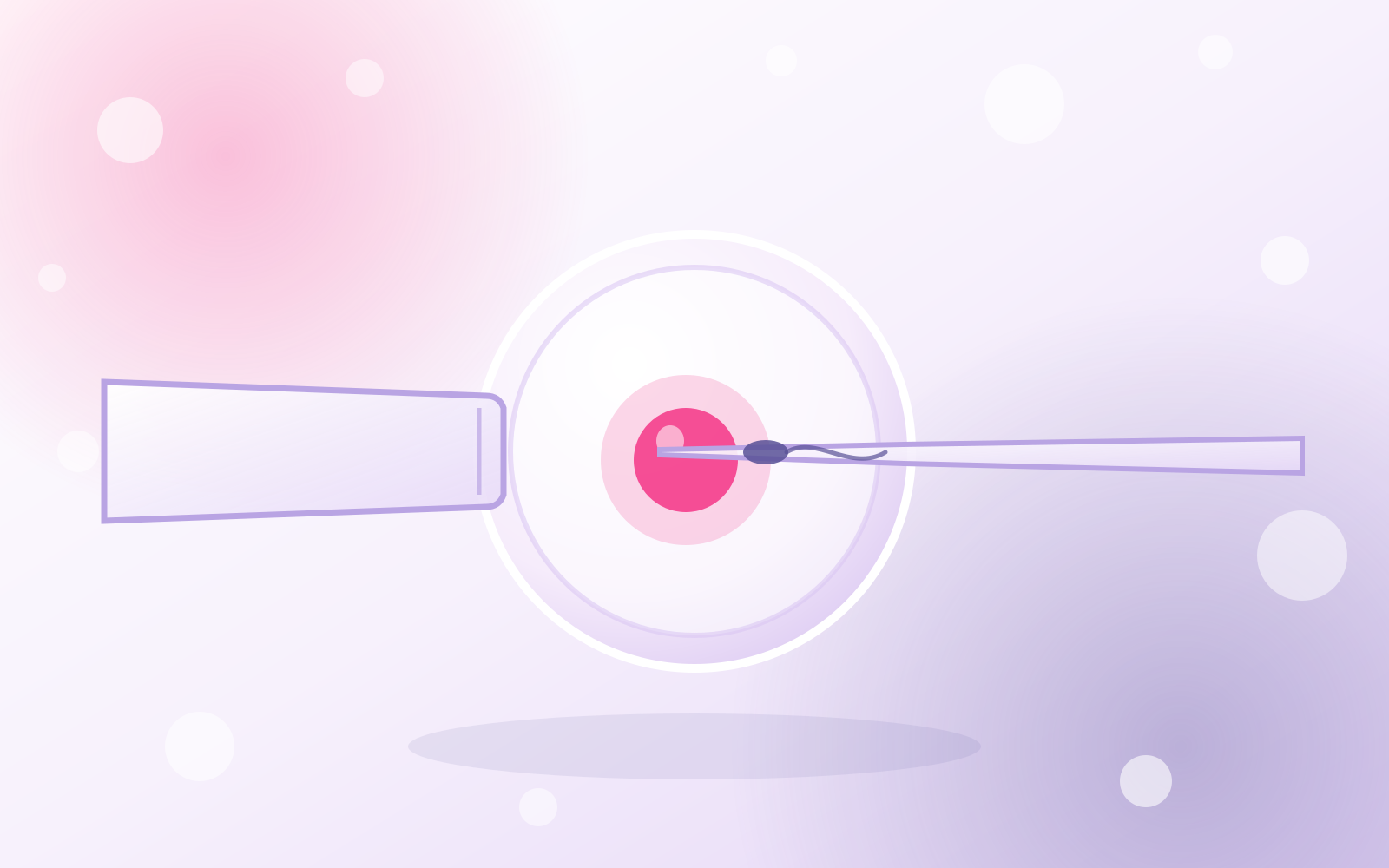
After eggs are collected and fertilised in the laboratory, embryos are grown and assessed. Suitable embryos are frozen by vitrification, a very fast method that protects them from ice damage, and stored in liquid nitrogen in labelled, monitored tanks. When you are ready, an embryo can be thawed and transferred in a frozen embryo transfer cycle.
Embryo banking needs sperm as well as eggs, and involves consent and legal agreements about storage and use. Freezing eggs without sperm is a different option, described under Egg Freezing.
Who May Consider Embryo Banking?
- People who have extra good-quality embryos after an IVF cycle
- Those who want to collect embryos over more than one stimulation cycle before transferring
- Cycles where all embryos are frozen, for medical reasons or while waiting for genetic test results
- Couples facing medical treatment that may affect fertility, where there is a partner or sperm source to create embryos beforehand
- Couples who want to start a family now and keep the option of having more children later
Rules and consent requirements apply to embryo storage. Your clinic will explain what is permitted and what paperwork you will need to complete.
When Is Embryo Banking Recommended?
Embryo banking is usually discussed as part of an IVF plan. It may be suggested when you have more embryos than you plan to transfer, when a fresh transfer is not advisable, or when building up embryos over several cycles makes sense, for example before genetic testing. It is a personal decision, and there is no pressure to bank embryos.
How Does Embryo Banking Work?
- Consultation and consent. You discuss the plan, storage, costs and the consent forms.
- IVF stimulation and egg collection. Medicines help several eggs mature, and the eggs are collected in a short procedure.
- Fertilisation and culture. Eggs are fertilised, often with ICSI when needed, and embryos are grown and assessed.
- Freezing. Suitable embryos are vitrified and stored in labelled tanks.
- Storage and renewal. Storage is monitored, and consent and fees are renewed as agreed.
- Using the embryos. When you are ready, an embryo is thawed and transferred in an FET cycle.
Preparation and Consultation
Embryo banking involves practical and personal decisions, so it helps to discuss them early. Topics to cover include:
- How many embryos you may want to create, and the chances of reaching a usable number
- Storage duration, renewal, fees and what happens if you stop paying
- What happens to stored embryos if your circumstances change
- What your options are for any embryos you no longer need
- Whether genetic testing is relevant to you
- The costs of the IVF cycle, freezing and any later transfer
Benefits and Limitations
Possible benefits
- Keeps embryos available for future attempts without repeating stimulation
- Allows treatment to be planned in stages
- Can reduce pressure when timing is difficult
- Embryos can be tested before transfer when this is appropriate
Limitations
- Banking does not guarantee a future pregnancy
- Not every embryo survives thawing, and not every transfer succeeds
- It requires an IVF cycle, with its own costs and risks
- Storage involves ongoing fees, consent renewal and decisions that can be emotionally hard
Risks and Considerations
- All the general risks of IVF, such as OHSS, egg collection risks and multiple pregnancy (see IVF)
- Storage failures are very rare, but clinics must have monitoring and back-up systems, so ask about them
- Legal and ethical questions about consent, separation and unused embryos
- The emotional weight of decisions about embryos, for which counselling is available
Factors That Affect Outcomes
- The age of the egg source when the embryos were created
- Embryo quality and number
- The quality of the freezing and thawing methods
- The health of the uterus at the time of transfer
- Whether the embryos were genetically tested
Your doctor will explain what is realistic. No clinic can guarantee that banked embryos will lead to a baby.
Frequently Asked Questions About Embryo Banking
How long can embryos be stored?
Embryos can remain stored for a long time, but the permitted period depends on regulations and clinic policy. Ask for the current rules and the renewal process.
Do all embryos survive thawing?
Most do, but not all. The embryologist checks each one after warming and will tell you the result.
What is the difference between embryo banking and egg freezing?
Embryo banking freezes embryos, which are already fertilised, so it needs a sperm source and carries consent considerations for both partners. Egg freezing stores unfertilised eggs.
What happens to embryos I no longer need?
Your options are explained before you consent, in line with the rules that apply. You can discuss this at any time with your care team.
Can I test banked embryos?
Embryo genetic testing is possible in some situations and is done before freezing or on frozen embryos, depending on the plan. See Genetic Screening.
Does banking embryos guarantee a baby later?
No. It keeps your options open, but it cannot guarantee a pregnancy.
Why Choose Santana Fertility Centre?
Decisions about embryos deserve time and clear information. At Santana Fertility Centre in Sindhanur, Karnataka, we explain the process, storage and consent questions in plain language, help you weigh costs and options, and never pressure you to bank more than you need.
- Unhurried, personal planning
- Clear information on storage, consent and costs
- Honest guidance, with no promises about outcomes
- Support through counselling if you want it
- Care close to home in Sindhanur
You can also read about Frozen Embryo Transfer and IVF, or contact our team to discuss your plans.
Book a Consultation
Thinking about storing embryos for the future? Share a few details and our team will contact you to arrange an unhurried consultation.
This page offers general information and is not a substitute for medical advice. Please speak with a qualified fertility specialist about your own situation.