

Introduction
Egg freezing, also called oocyte cryopreservation, is a way of collecting and storing eggs so that you can try to conceive at a later time. It is used by people who want to plan ahead and by those who need to protect their fertility before medical treatment.
This page explains who may consider egg freezing, how the process works, and what it can and cannot offer. It is general information and not a substitute for advice from your doctor.
What Is Egg Freezing?
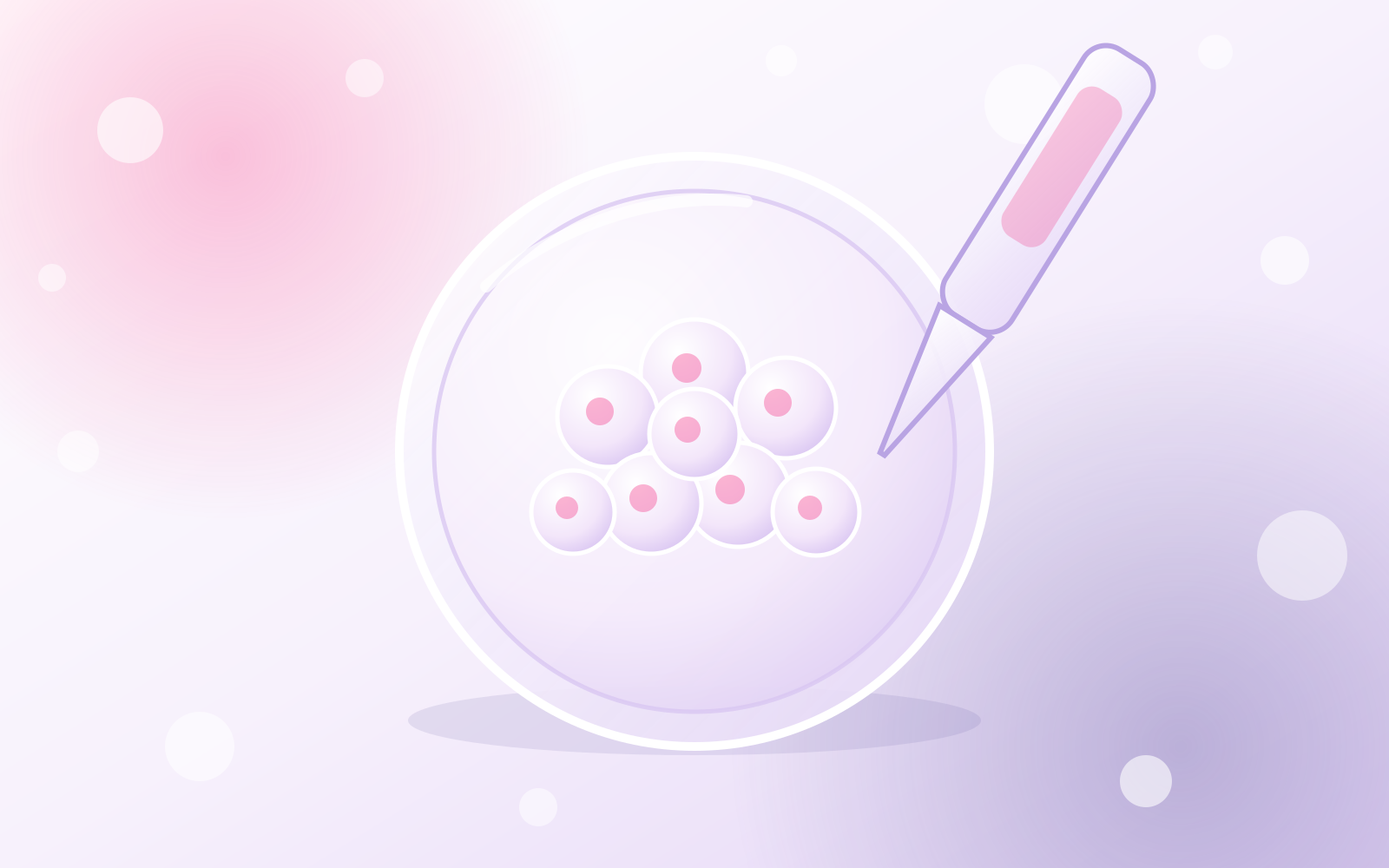
After ovarian stimulation, mature eggs are collected from the ovaries in a short procedure. The eggs are then frozen using vitrification, a very fast freezing method that helps prevent damaging ice crystals, and stored in liquid nitrogen.
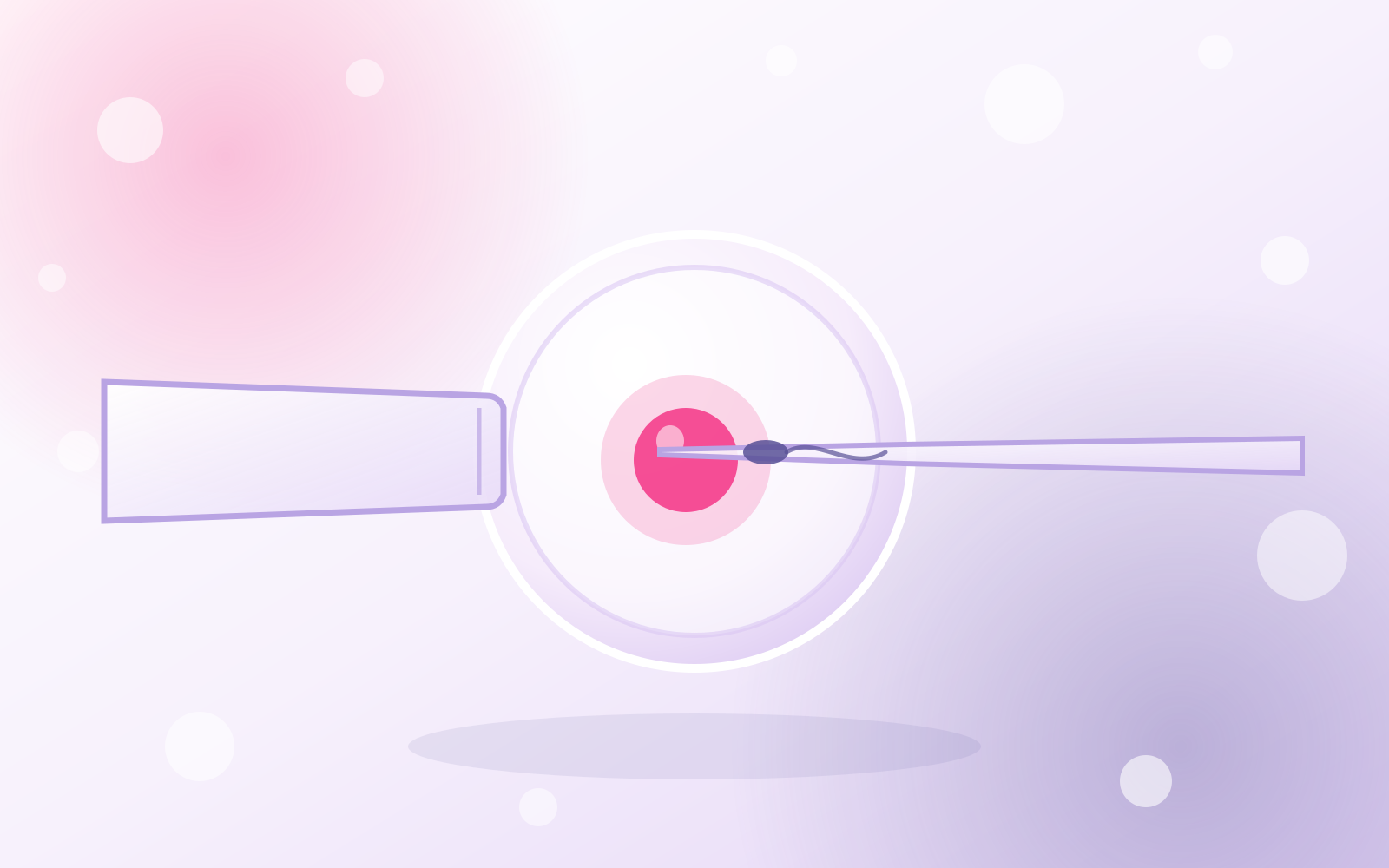
When you are ready to use them, the eggs are warmed and fertilised with sperm in the laboratory, usually by ICSI. Any resulting embryos are grown and transferred to the uterus, as in IVF. Egg freezing preserves the chance to try later. It does not create a pregnancy by itself.
Who May Consider Egg Freezing?
- People who want to have children later for personal, educational or professional reasons
- Those who have not yet found a partner or are not ready to start a family
- People facing medical treatment that may affect fertility, such as chemotherapy, radiotherapy or ovarian surgery
- People with conditions that may reduce ovarian reserve over time, such as severe endometriosis or a family history of early menopause
- Those who want to understand their ovarian reserve and options early
Egg freezing is regulated, and eligibility and consent requirements apply. Your clinic will explain what is permitted and what paperwork is needed.
When Is Egg Freezing Recommended?
Egg quantity and quality decline with age, so egg freezing is often most useful when it is discussed earlier rather than later. A specialist can assess your ovarian reserve with a blood test (AMH) and an ultrasound count of antral follicles. These tests give a useful guide but cannot predict exactly how many eggs you will produce or how long your fertility will last.
When treatment for a medical condition must start soon, fertility specialists work with your other doctors to plan a faster approach. In these situations timing matters, so ask for an appointment as early as possible.
How Does Egg Freezing Work?
- Consultation and tests. Your doctor reviews your health, ovarian reserve and goals, and explains the plan, the costs and the consent process.
- Ovarian stimulation. Daily hormone injections, usually for 10 to 12 days, help several eggs mature. Scans and blood tests track your response.
- Trigger injection. A timed injection prepares the eggs for collection.
- Egg retrieval. Under sedation, a fine needle guided by ultrasound collects the eggs. It usually takes 20 to 30 minutes and most people go home the same day.
- Freezing. Only mature eggs can be frozen. They are vitrified and stored in labelled, monitored tanks.
- Using the eggs later. The eggs are thawed and fertilised, and any embryos are transferred. This is a separate treatment cycle.
Some people need more than one stimulation cycle to collect a useful number of eggs.
Preparation and Consultation
Before starting, it is worth talking through the practical and emotional side. Topics to discuss include:
- Your ovarian reserve tests and what they do and do not tell you
- How many eggs your doctor would aim to freeze, and whether more than one cycle may be needed
- The total cost, including stimulation, freezing, yearly storage and later fertilisation and transfer
- How long storage is permitted, how consent is renewed, and what happens if you change your mind
- If you are facing cancer treatment, coordinating timing with your oncologist
- Lifestyle steps such as not smoking, limiting alcohol and keeping a healthy weight
If you are unsure about the decision itself, infertility counselling can help you think it through.
Benefits and Limitations
Possible benefits
- May keep your options open if you are not ready to have children now
- Eggs are frozen at the age they are collected, which may be useful if you use them later
- Can offer peace of mind and more time to decide
- Can protect the chance of having biological children before medical treatment that may affect fertility
Limitations
- It cannot guarantee a future pregnancy or a baby
- Not all eggs survive thawing, fertilise or become healthy embryos
- The chance of success depends strongly on your age when the eggs were frozen and how many eggs are stored
- You will still need IVF treatment, with its own costs and risks, to use the eggs
- It is not a replacement for trying to conceive earlier if that is possible
Risks and Considerations
- Ovarian hyperstimulation syndrome (OHSS), which is usually mild but can occasionally be serious
- Bloating, mood changes, headaches and other medicine side effects
- Risks of egg retrieval and sedation, including bleeding, infection and, rarely, injury to nearby organs
- A low response to stimulation, which may mean fewer eggs than hoped
- The emotional weight of an uncertain future outcome, and the cost of storage over time
Current evidence does not suggest that a stimulation cycle reduces your future fertility, but ask your doctor about your own circumstances.
Factors That Affect Egg Freezing Outcomes
- Age when the eggs are frozen, which is the most important factor
- The number of mature eggs frozen
- Ovarian reserve and response to stimulation
- The quality of the laboratory’s freezing and thawing methods
- The sperm used later and the health of the uterus
- Your overall health and lifestyle at the time you use the eggs
A frozen egg is not a guarantee. Your doctor can explain what the numbers mean for you, and a trustworthy clinic will not promise a specific result.
Frequently Asked Questions About Egg Freezing
At what age should I consider freezing my eggs?
There is no single right age. Egg quality and numbers generally decline with age, so freezing earlier tends to preserve better quality eggs. A consultation can help you decide based on your own tests and plans.
How many eggs do I need to freeze?
The number needed to give a reasonable chance depends on your age and goals, and results vary. Your doctor can explain how many eggs they would aim for in your case and whether a second cycle may help.
Does egg freezing hurt?
The injections cause mild discomfort, and egg retrieval is done under sedation. Some cramping and bloating afterwards is common and usually settles within a few days.
How long can eggs stay frozen?
Eggs frozen by vitrification can remain stored for long periods, but the permitted storage time depends on regulations and clinic policy. Ask for the current rules and the renewal process.
Does freezing eggs affect my natural fertility?
A stimulation cycle collects eggs that would otherwise be lost that month, and current evidence does not show that it reduces future natural fertility. Discuss your own situation with your doctor.
Can I freeze embryos instead?
Yes, if you have a partner or a sperm source. Embryo freezing requires fertilisation first, which brings different consent and legal considerations. Your doctor can explain the differences.
Does egg freezing guarantee a baby later?
No. It keeps your options open, but it cannot guarantee a pregnancy. Success depends on your age at freezing, the number of eggs stored and other factors.
Why Choose Santana Fertility Centre?
Egg freezing is a personal decision with long-term implications. At Santana Fertility Centre in Sindhanur, Karnataka, we begin with an unhurried consultation, explain your ovarian reserve results honestly, and help you weigh the costs, storage and consent questions before you commit.
- Personalised assessment of your ovarian reserve and goals
- Clear information on costs, storage and consent
- No promises about future outcomes, only honest guidance
- Support with the decision through counselling if you want it
- Care close to home in Sindhanur
When you are ready to use stored eggs, we can explain the IVF and ICSI steps in detail. You can also contact us with questions at any time.
Book a Consultation
Thinking about preserving your fertility? Share a few details and our team will contact you to arrange an unhurried consultation.
This page offers general information and is not a substitute for medical advice. Please speak with a qualified fertility specialist about your own situation.