

Introduction
In vitro fertilisation (IVF) is one of the most widely used assisted reproductive treatments. It can help people with a range of fertility concerns, from blocked fallopian tubes to male-factor infertility and unexplained difficulty conceiving.
This page explains in plain language what IVF involves, who may consider it, what happens at each stage, and what its limits and risks are. It is general information, not a substitute for advice from your own doctor.
What Is IVF?
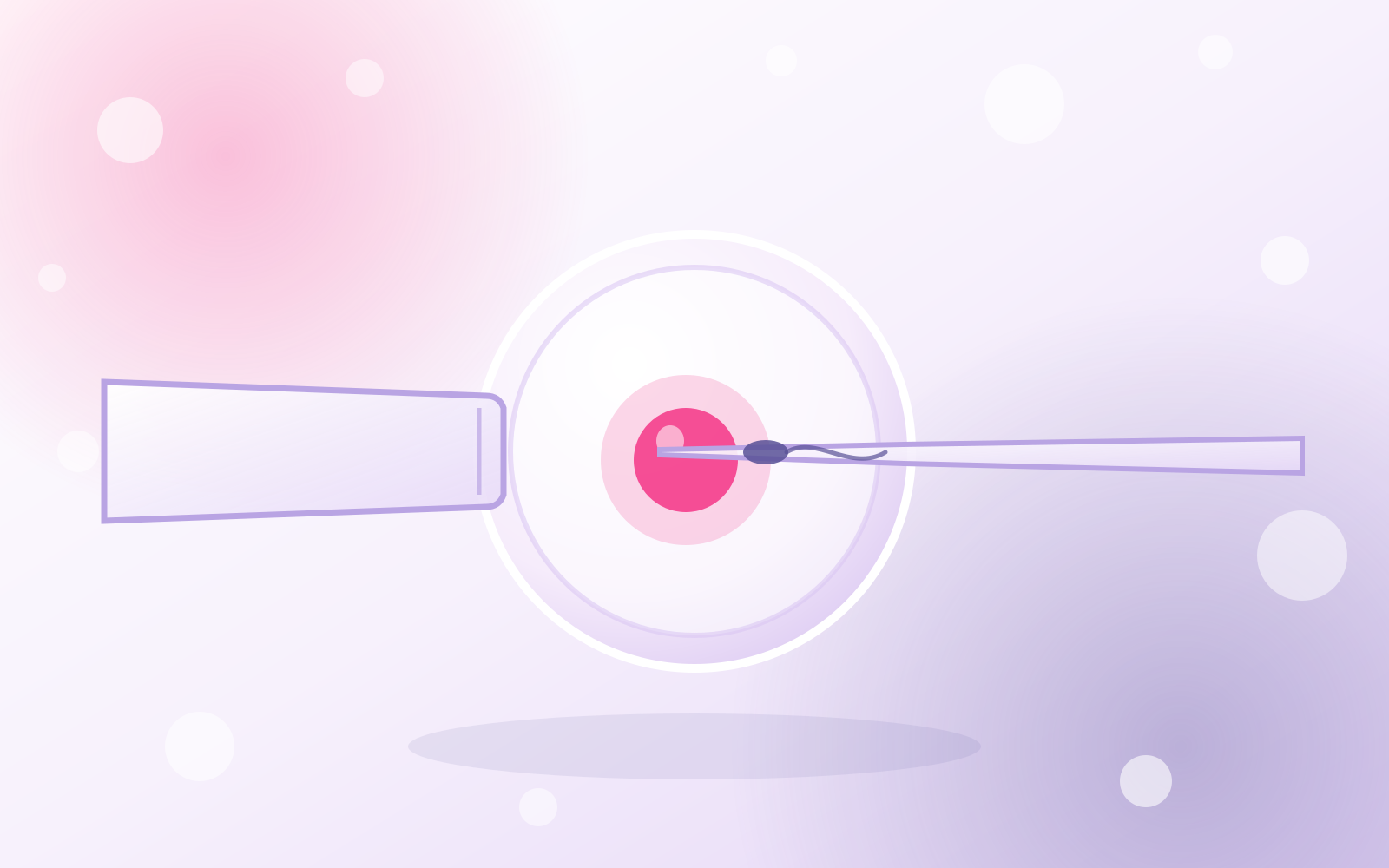
In vitro fertilisation means that fertilisation happens outside the body, in a laboratory. Eggs are collected from the ovaries and combined with sperm. The resulting embryos are grown and monitored for several days, and a healthy embryo is then placed in the uterus with the aim of achieving a pregnancy.
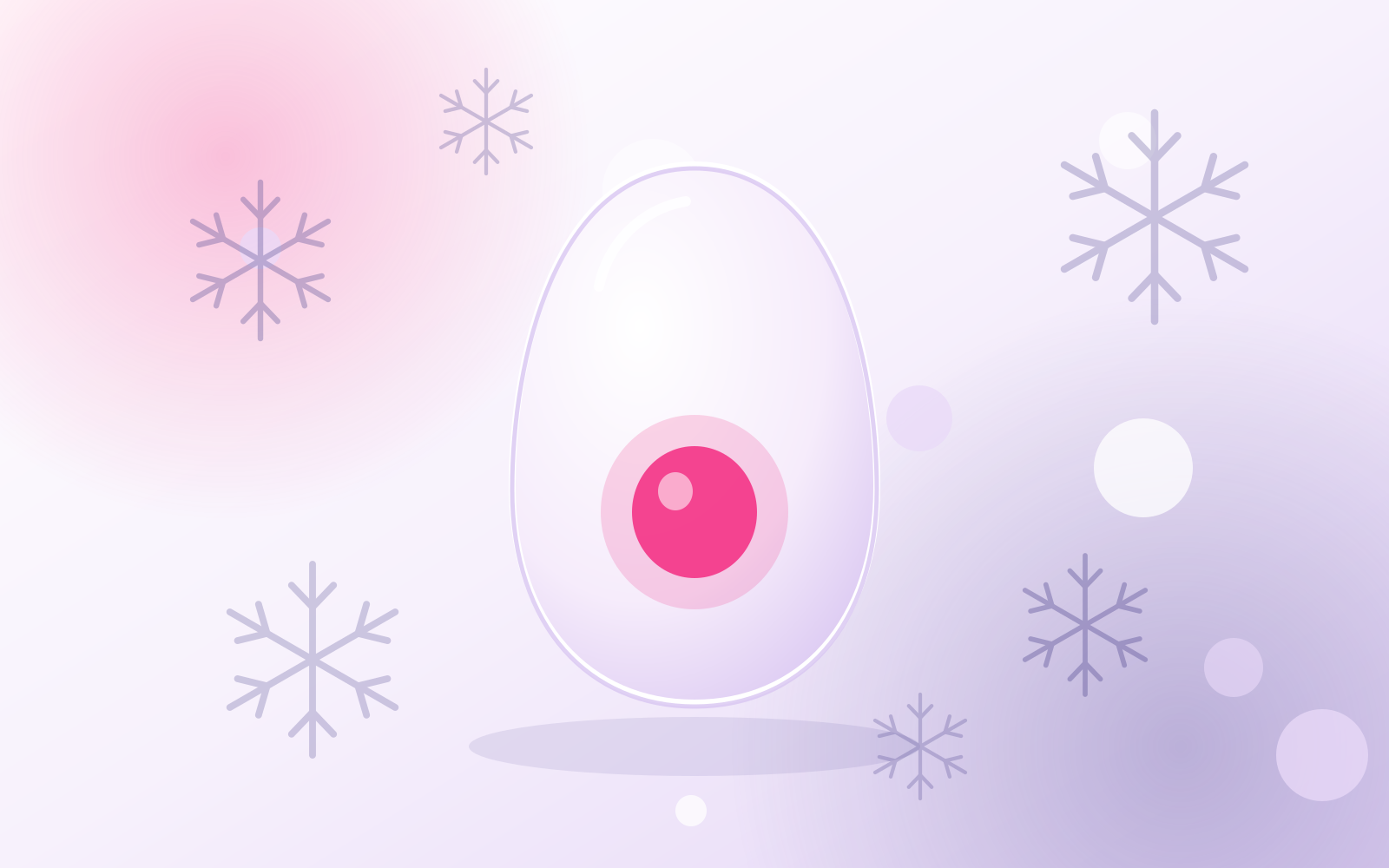
Suitable embryos that are not transferred can often be frozen for later attempts, if you consent and the rules that apply allow it. Where sperm quality is a concern, a laboratory technique called ICSI may be used during the same cycle.
Who May Consider IVF?
- Blocked or damaged fallopian tubes
- Endometriosis that affects fertility
- Male-factor infertility, such as a low sperm count or reduced sperm movement
- Unexplained infertility that has not responded to simpler treatment
- Ovulation problems when other treatments have not worked
- Reduced ovarian reserve or age-related decline in fertility
- Cases where genetic testing of embryos is planned (see Genetic Screening)
Having one of these conditions does not automatically mean you need IVF. Many people begin with simpler steps such as ovulation tracking, medicines or IUI, and your doctor will explain which path makes sense for you.
When Is IVF Recommended?
A fertility specialist usually recommends IVF after a full assessment: your medical history, tests of ovarian reserve (such as AMH and an antral follicle count on ultrasound), a semen analysis, and a check of the fallopian tubes and uterus.
IVF may be discussed early when the tubes are blocked, when sperm quality is severely reduced, or when age makes time an important factor. In other cases it is suggested after several months of less intensive treatment have not led to pregnancy. The decision also depends on your age, how long you have been trying, previous treatments, and your own preferences and readiness.
How Does IVF Work?
Every plan is individual, but a typical IVF cycle follows these stages:
- Assessment and planning. Tests are reviewed, a treatment protocol is chosen and consent forms are discussed.
- Ovarian stimulation. Hormone injections, usually for about 8 to 14 days, encourage the ovaries to develop several mature eggs. Ultrasound scans and blood tests track your response and doses are adjusted.
- Trigger injection. A timed injection helps the eggs reach full maturity before collection.
- Egg retrieval. Under sedation or light anaesthesia, a fine needle guided by ultrasound collects the eggs. It usually takes 15 to 30 minutes and most people go home the same day.
- Sperm preparation. A semen sample, or stored sperm, is prepared in the laboratory.
- Fertilisation. Eggs and sperm are combined, or ICSI is used when needed.
- Embryo development. Embryologists monitor the embryos for several days and assess their development.
- Embryo transfer. A thin catheter places the chosen embryo in the uterus, usually without anaesthesia. Transfer can happen in the same cycle (fresh) or in a later cycle using a frozen embryo.
- Pregnancy test. Progesterone support is common, and a blood test is done around two weeks after transfer.
Preparation and Consultation
Before treatment, your doctor will review your health and may advise tests such as hormone levels, infection screening, a semen analysis and an assessment of the uterus. You can use the consultation to talk about:
- Your medical history, medicines and supplements
- Lifestyle factors such as smoking, alcohol, weight and stress
- The treatment protocol, the number of embryos to transfer, and what happens to any extra embryos
- Likely costs, including medicines, scans and embryo freezing
- The emotional side of treatment and where to find support (see Infertility Counselling)
Writing your questions down beforehand helps. You are welcome to bring your partner or a family member.
Benefits and Limitations
IVF can offer real advantages, but it is important to understand its limits too.
Possible benefits
- It can bypass blocked or damaged fallopian tubes
- Fertilisation and early embryo development can be observed directly
- It can be combined with ICSI or embryo genetic testing when appropriate
- Frozen embryos may allow further attempts without repeating stimulation
Limitations
- It does not guarantee pregnancy, and some people need more than one cycle
- It is physically, emotionally and financially demanding
- Not every egg fertilises or develops into a usable embryo
- Outcomes depend strongly on age and ovarian reserve
Risks and Considerations
- Ovarian hyperstimulation syndrome (OHSS), where the ovaries over-respond. Mild cases cause bloating; severe cases are uncommon but need prompt medical care
- Medicine side effects such as bloating, headaches, mood changes and bruising at injection sites
- Egg retrieval risks, including bleeding, infection and, rarely, injury to nearby organs, plus the usual risks of sedation
- Multiple pregnancy if more than one embryo implants, which carries higher risks for mother and babies
- Ectopic pregnancy and miscarriage, which can occur in any pregnancy
- A cancelled cycle if the ovaries respond too little or too much
- Emotional strain, especially while waiting for results
Your care team can reduce many of these risks through individual dosing, careful monitoring and, when appropriate, transferring a single embryo. Tell your doctor straight away if you develop severe abdominal pain, rapid weight gain, difficulty breathing or heavy bleeding.
Factors That Affect IVF Success
- The age of the woman, which strongly influences egg quantity and quality
- Ovarian reserve and how the ovaries respond to stimulation
- Sperm quality
- The cause and duration of infertility
- Embryo quality and laboratory conditions
- The health of the uterus, including fibroids, polyps or scarring
- Body weight, smoking and alcohol
- Conditions such as PCOS, endometriosis or thyroid disease
These factors help your doctor discuss what is realistic for you. No clinic can promise a particular outcome, so be cautious about any claim that guarantees success.
Frequently Asked Questions About IVF
How long does an IVF cycle take?
From the start of stimulation to the pregnancy test usually takes about four to six weeks. A frozen embryo transfer adds the time needed to prepare the uterus in a later cycle. Your doctor will give you a schedule.
Is IVF painful?
The injections cause mild discomfort. Egg retrieval is done under sedation or anaesthesia, and cramping afterwards is common but usually settles within a day or two. Embryo transfer is generally quick and feels similar to a routine pelvic examination.
How many IVF cycles might I need?
This varies. Some people become pregnant in their first cycle, while others need several, and some may be advised to consider other options. Your doctor will review each cycle and discuss the next step with you.
What is the difference between IVF and IUI?
IUI places prepared sperm in the uterus so that fertilisation happens inside the body. IVF fertilises the eggs in a laboratory and then transfers an embryo. IVF involves more steps but allows closer observation of fertilisation and early development.
Can I carry on with normal activities during treatment?
Most people continue daily life and work. Your doctor may advise avoiding strenuous exercise while the ovaries are enlarged, and resting on the day of egg retrieval and after transfer. Follow the specific advice you are given.
What happens to embryos that are not transferred?
With your consent, suitable embryos can be frozen for later use. Your doctor will explain the options for stored embryos, in line with the rules that apply and your own wishes, before you decide.
Are children born after IVF healthy?
Most children conceived through IVF are healthy. Some studies suggest a small increase in certain risks, such as premature birth, which may relate to the treatment or to the underlying fertility problem. Your doctor can explain what current evidence shows.
Why Choose Santana Fertility Centre?
At Santana Fertility Centre in Sindhanur, Karnataka, care begins with a personal evaluation. We review your history and test results, explain your options in plain language, and build a treatment plan around your situation rather than a standard script.
- Personalised evaluation and treatment planning
- Clear explanations of each stage, the risks and the likely costs
- Honest guidance on what treatment can and cannot achieve
- A supportive team, with counselling available if you want it
- Care close to home in Sindhanur
You can also read about Egg Freezing and Genetic Screening, or contact us with any questions.
Book a Consultation
Ready to talk about whether IVF may be right for you? Share a few details and our team will contact you to arrange a consultation.
This page offers general information and is not a substitute for medical advice. Please speak with a qualified fertility specialist about your own situation.